


Polymer Modified Bitumen (PMB) Supplier & Exporter
International PMB supply for Turkey-related projects and procurement
Polymer Modified Bitumen (PMB) is specified when a road or infrastructure project calls for a modified binder rather than conventional paving bitumen. TurkeyBitumen.com, operated by Tiger Bitumen and HY International Group, provides contractors, asphalt producers, importers, and procurement teams with an international route to a polymer modified bitumen supplier for Turkey-related projects and procurement, with PMB supplied through Tiger Bitumen’s packing and export facilities in Karachi Free Zone, Pakistan, and Ajman, UAE.
Your project may be in Turkey, or you may already buy from Turkish suppliers and want a second offer to compare against. Either way, this page sets out the PMB ranges we quote, how PMB is classified, and what we need from you to prepare an accurate quotation.
What Is Polymer Modified Bitumen?
Polymer Modified Bitumen is bitumen blended with one or more polymers to change selected properties of the base binder. It is not a single material with fixed properties. How a given PMB behaves depends on the base bitumen, the type and amount of polymer, and how the two are processed, and those details are documented in the product’s technical data sheet (TDS) rather than assumed from the product name.
For a fuller technical introduction, see Tiger Bitumen’s guide to what polymer modified bitumen is. This page focuses on specifying, comparing and sourcing it.
Why Polymer Modification Is Used
Pavement engineers specify a modified binder when a conventional binder may not meet the performance a project requires. Typical reasons include heavier or slower-moving traffic, wide seasonal temperature ranges, and pavement layers where resistance to permanent deformation, cracking or fatigue is a priority.
Which properties matter depends on the specification. A PMB requirement may set limits for softening point, elastic recovery, cohesion, low-temperature behaviour, storage stability and properties after ageing. That is why two products both described as “PMB” can be quite different, and why the specification, not the label, should drive the purchase.
PMB for Road and Infrastructure Applications
PMB is used across a range of pavement work where the project specification calls for modification, including:
- Highways, motorways and expressways
- Heavily trafficked urban roads, junctions and bus lanes
- Airport pavements where the design specifies a modified binder
- Wearing courses and thin surfacing layers
- Asphalt mixes such as stone mastic asphalt or porous asphalt where the mix design calls for a modified binder
- Rehabilitation, overlay and pavement-upgrade programmes
Whether PMB is the right choice for a given layer is a pavement design decision. We supply against the requirement your engineer or specifying authority has set.
EN 14023 and PMB Classification
EN 14023 is the European framework specification for polymer modified bitumens. Rather than describing PMB with a single number, it sets out a framework of properties, each with defined classes, and the specifier selects which properties and classes apply to the project. Penetration is one element of that framework. A complete designation also commonly references a softening-point requirement, and the specification may add requirements for elastic recovery, cohesion, breaking point, storage stability and properties after ageing.
Turkey is a member of CEN, and European standards are adopted nationally as TS EN standards. Projects in Turkey may therefore reference TS EN 14023, EN 14023 or a project-specific technical specification. Buyers elsewhere may work to a national or contract specification instead. In every case, confirm which document and which classes apply before requesting a price.
The ranges listed on this page are nominal penetration ranges. The full classification, test values and any statement of conformity are confirmed against your project specification and the TDS supplied with our offer. For a detailed walkthrough, see how EN 14023 classification works.
PMB Ranges We Quote
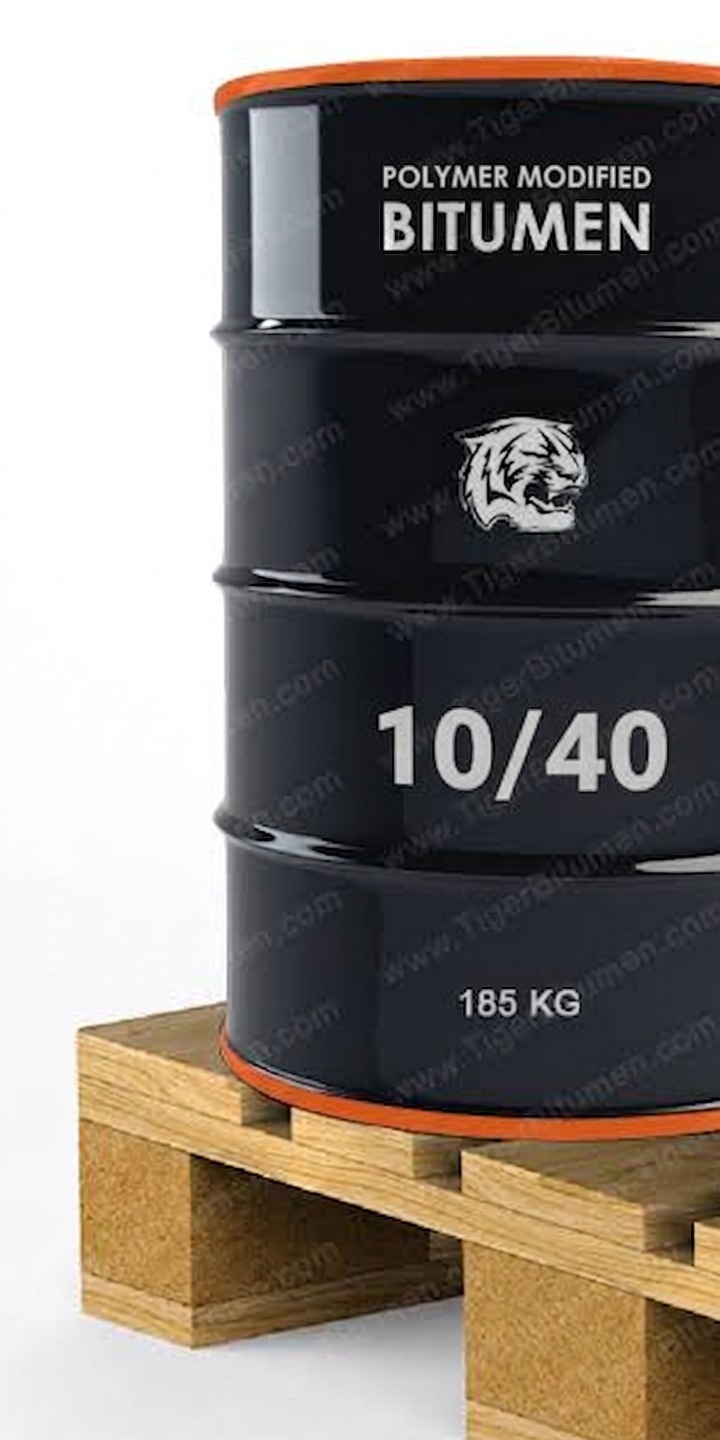
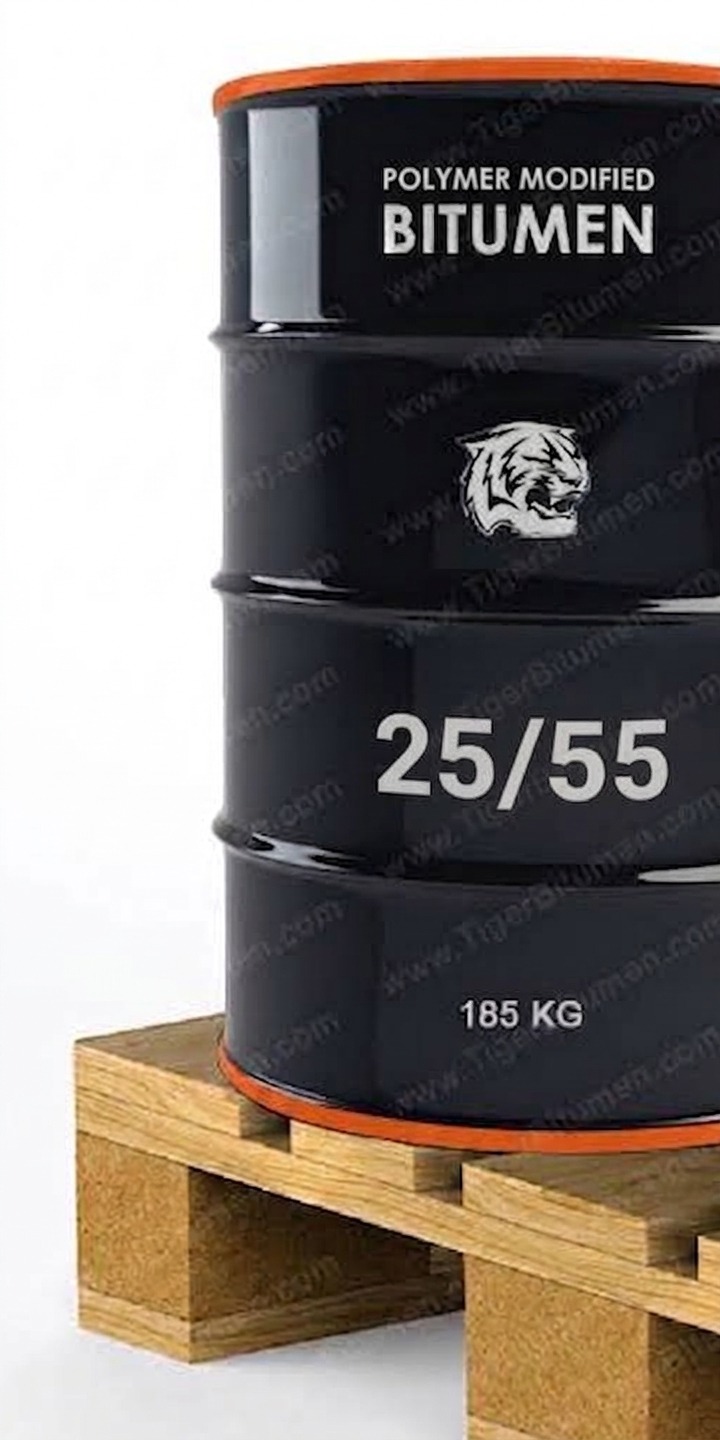
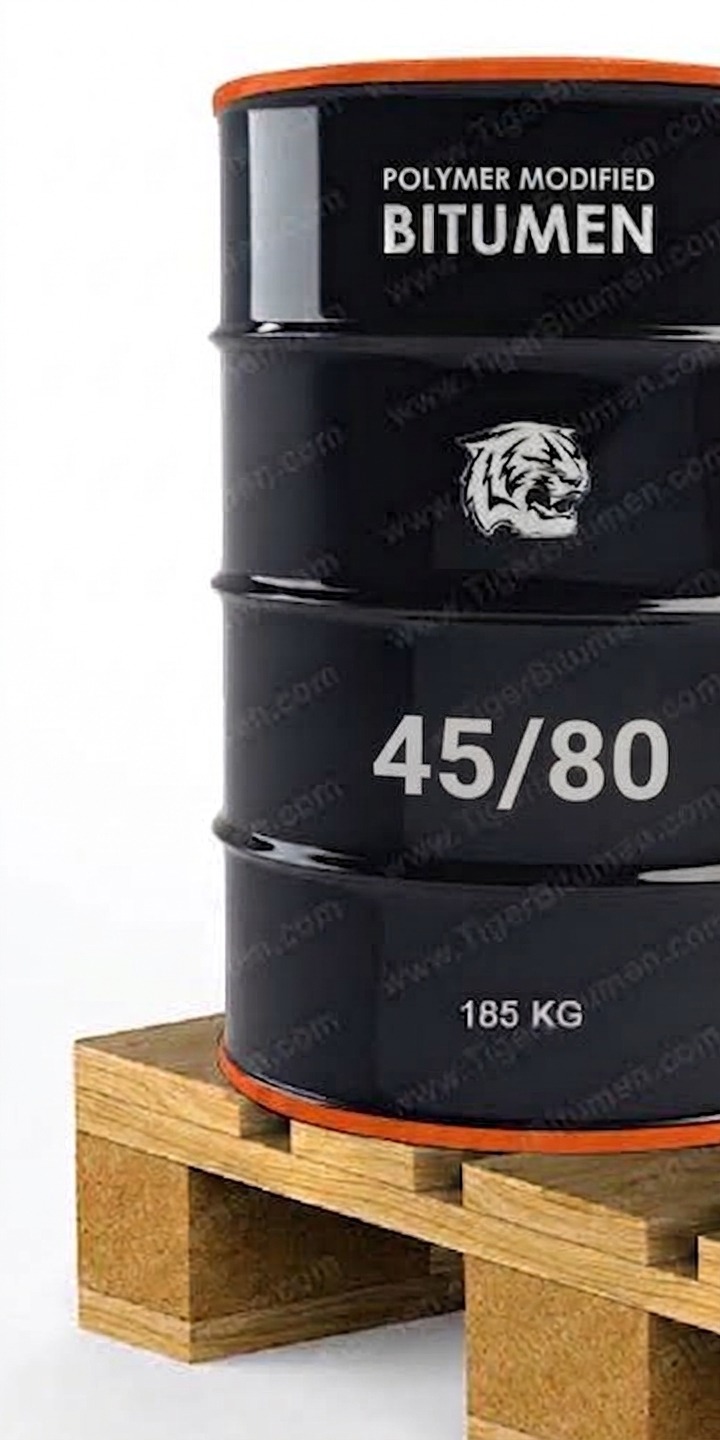
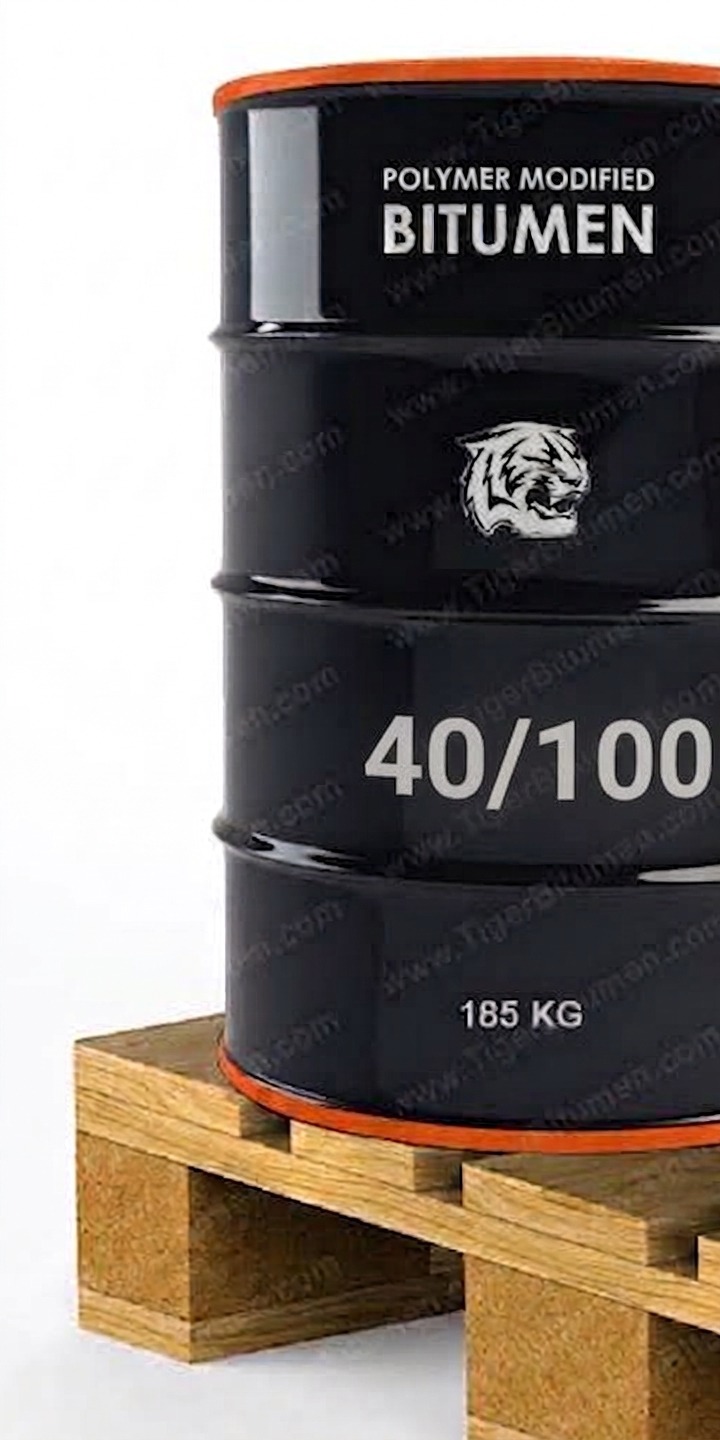
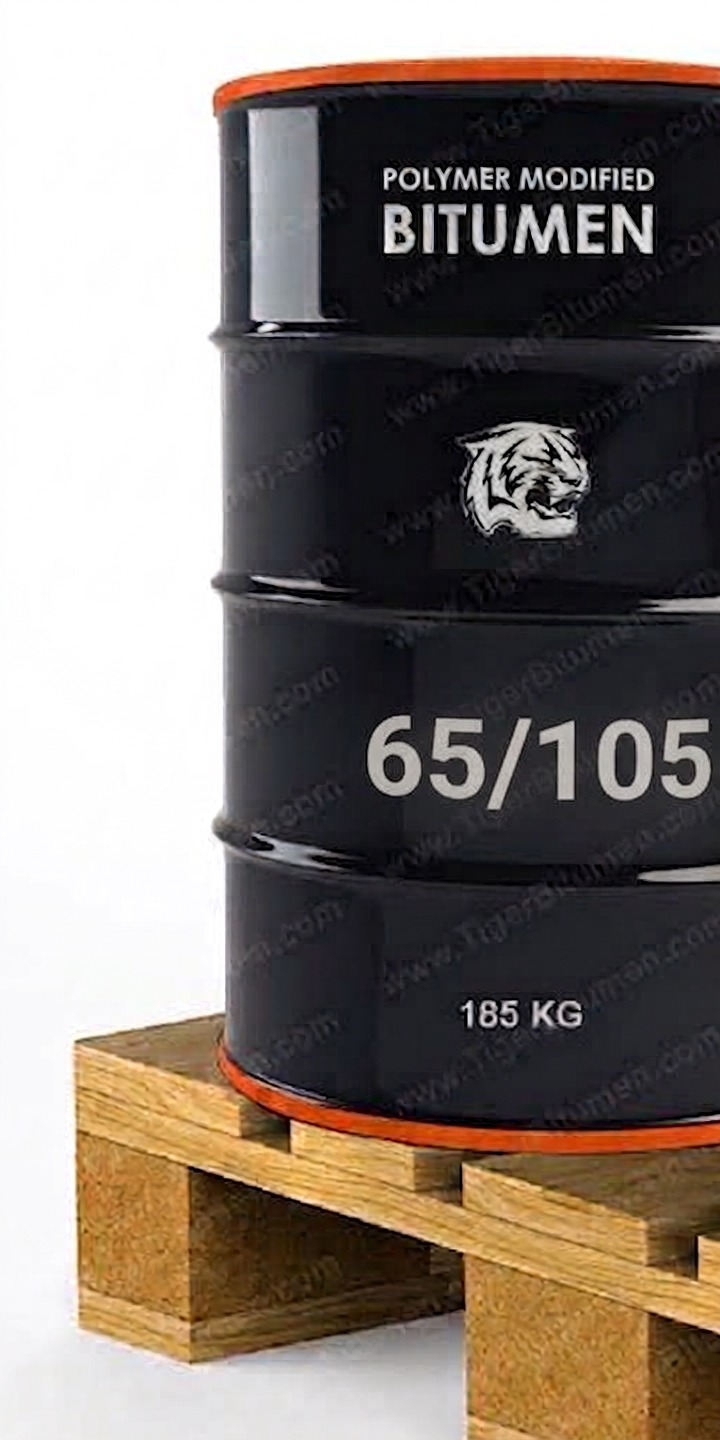
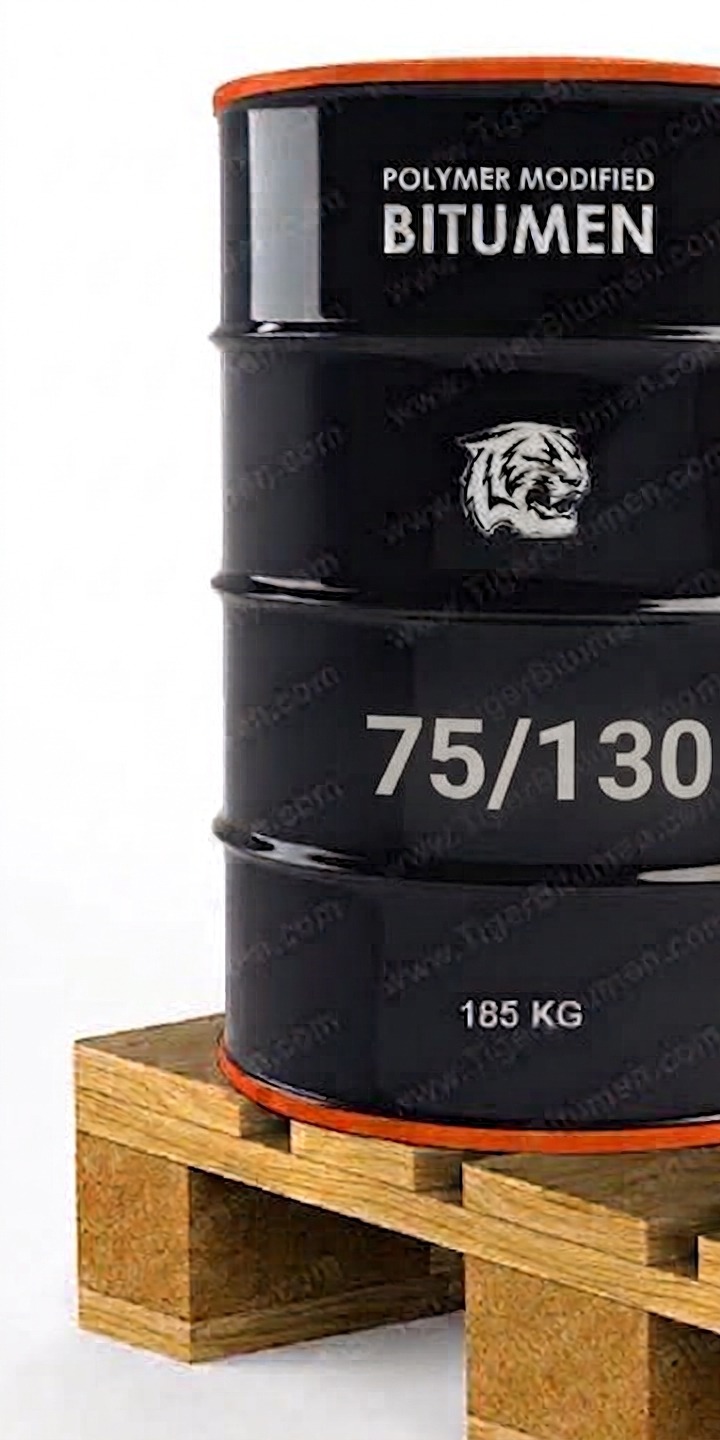
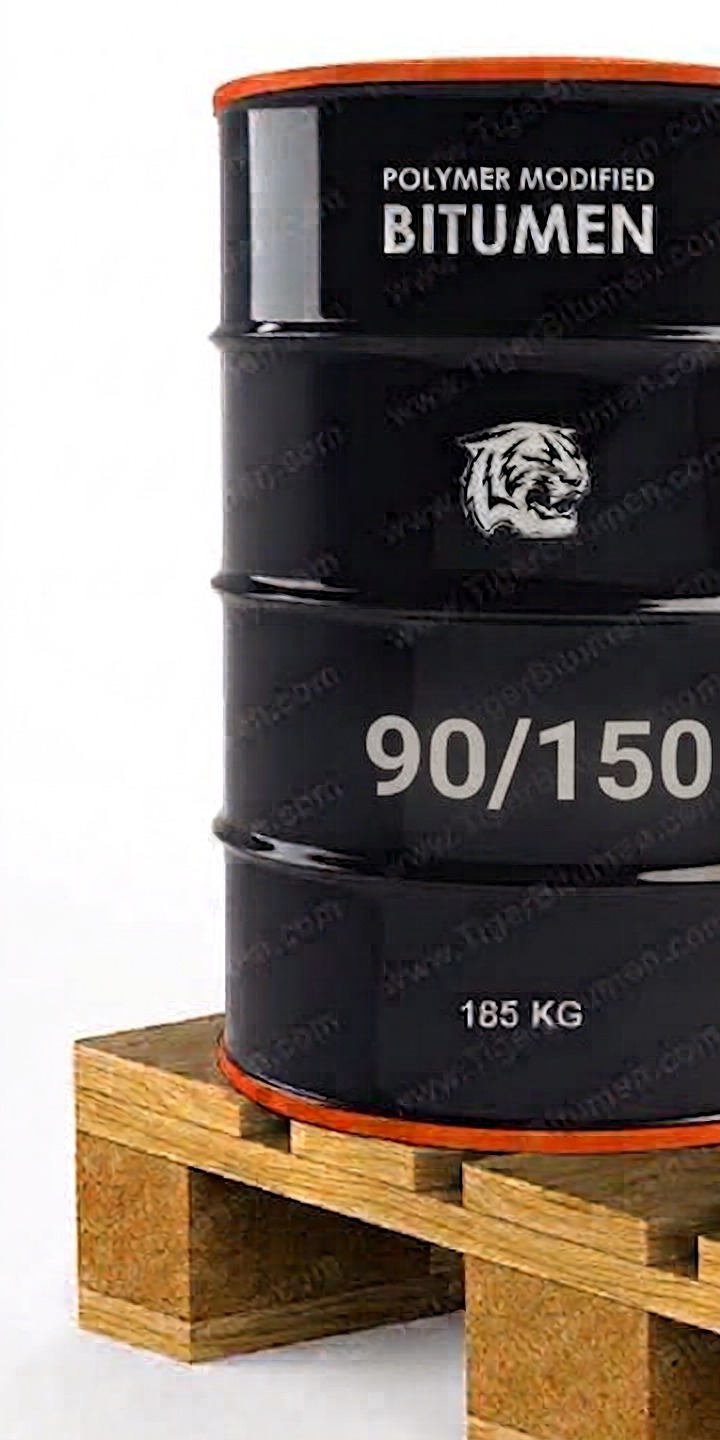
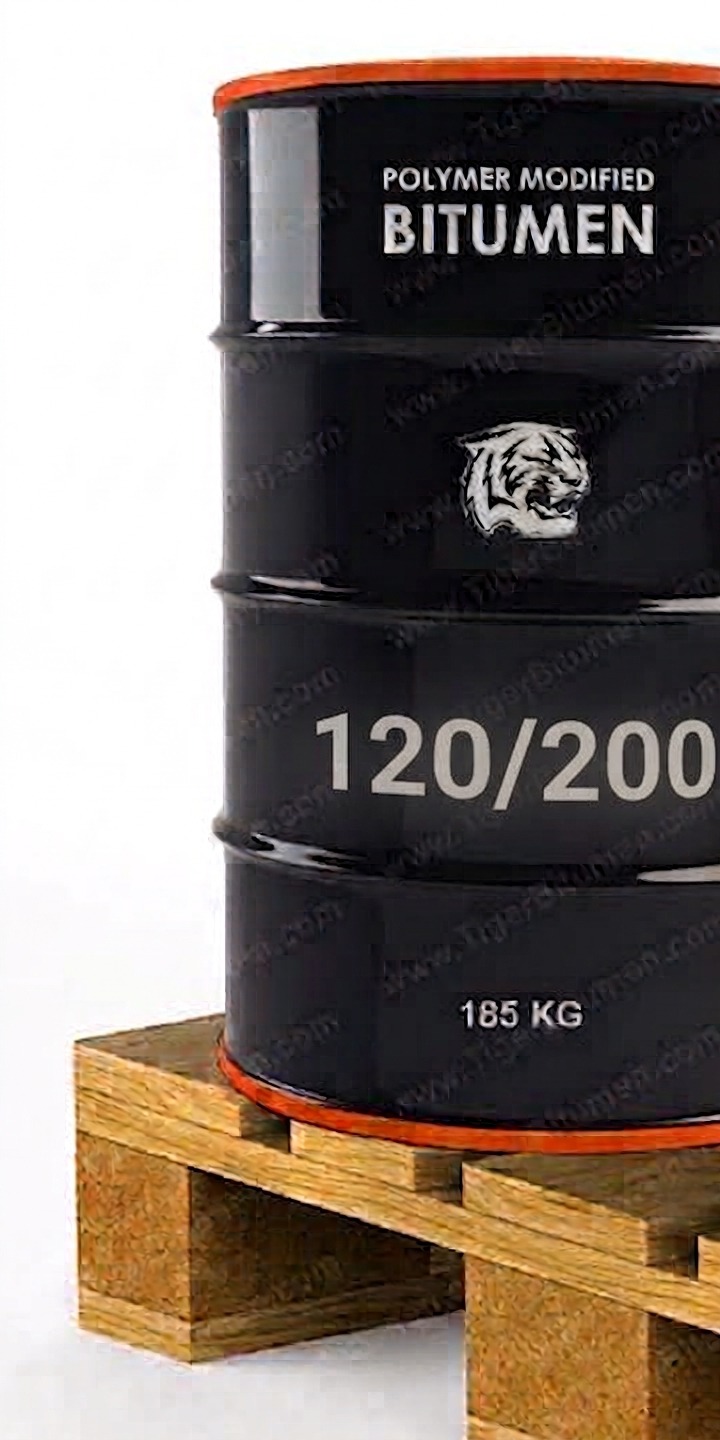
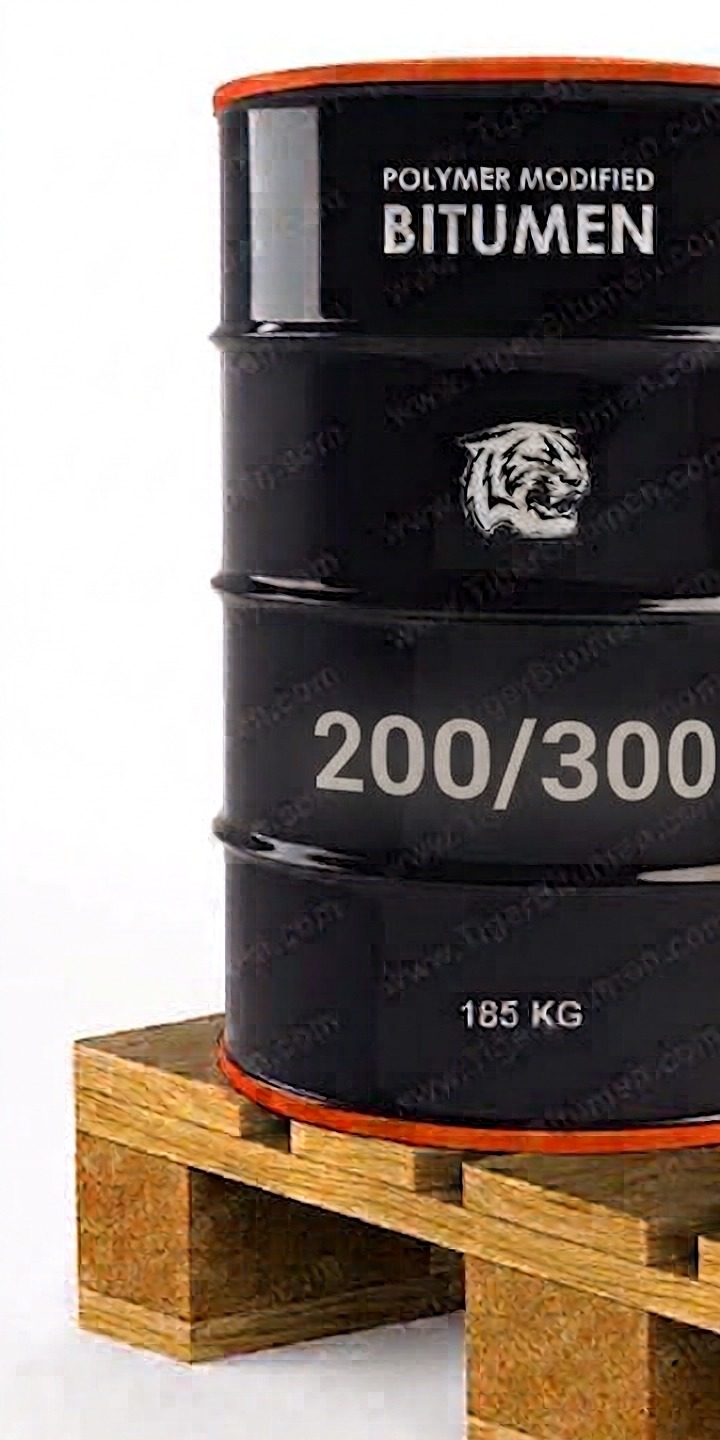
We quote nine nominal PMB penetration ranges. Penetration is measured in tenths of a millimeter (0.1 mm) at 25°C; a lower range means a harder binder.
Some ranges overlap. PMB 40/100, for example, spans parts of 45/80 and 65/105. They are separate classes, not interchangeable alternatives, so quote and buy against the exact range named in your specification.
How PMB Differs from Conventional Penetration Bitumen
Conventional penetration grade bitumen such as 50/70 or 60/70 is classified mainly by its penetration and softening point. PMB shares the penetration-range notation, which is why the two are often confused, but the similarity ends there.
| Penetration grade bitumen | Polymer modified bitumen | |
| What it is | Unmodified paving bitumen | Bitumen modified with one or more polymers |
| How it is specified | Mainly penetration and softening point | A framework of properties and classes (e.g. EN 14023) chosen by the specifier |
| What to check | Grade and standard | Range, full class set, TDS and batch COA |
| Handling | Standard hot-bitumen handling | Storage temperature, duration and stability should follow the supplier's TDS guidance |
A PMB 45/80 and a penetration-grade bitumen in a similar range are not substitutes for one another. Only the specification decides which binder is acceptable.
PMB vs PG Bitumen
PMB and Performance Grade (PG) bitumen belong to different classification systems. PG grading, used in Superpave specifications, classifies a binder by the high and low pavement temperatures it is designed to withstand. PMB describes a binder that has been polymer-modified and, under EN 14023, is classified within its own framework.
The two are not interchangeable. A PG binder may or may not be polymer-modified, and no PMB range automatically corresponds to a particular PG grade. If your specification is written in PG terms, we quote against the PG requirement; if it is written as PMB, we quote against the PMB class. Tiger Bitumen explains the difference between PMB and PG in more depth.
Selecting the Appropriate PMB Range
The range is normally fixed by the project’s engineer or specifying authority, based on:
- The class or range named in the tender or technical specification
- Climate and expected pavement temperatures
- Traffic volume and loading
- The layer and asphalt mix type
- Mixing, storage and paving arrangements on site
As a general pattern, harder ranges are associated with stiffer layers and more demanding loading, while softer ranges suit lower-temperature conditions or specific applications. That is a starting point for discussion, not a substitute for the specification.
If you are unsure which class your documents require, send us the relevant specification clause and our export team will help you identify it.
Polymer Modified Bitumen Supplier for Turkey-Related Projects
TurkeyBitumen.com is an additional sourcing route for buyers whose PMB requirement is connected to Turkey. We regularly work with:
- Contractors and asphalt producers on road and infrastructure projects in Turkey
- Importers and distributors who currently source from Turkish exporters and want a comparable offer
- Consultants and procurement teams preparing tenders that need more than one supply option
The aim is not to replace an arrangement that is working. It is to give you a second, fully documented offer so the decision rests on specification match, documentation, inspection, shipping terms and total delivered cost.
Tiger Bitumen is a physical merchandise supplier, not a broker, and ships from its export facilities in Karachi Free Zone and Ajman. Availability, packaging and shipment schedule for PMB are confirmed for each enquiry against the range and quantity you need.
Documentation, Inspection and Export
Commercial terms. Quotations are available on FOB, CFR or CIF terms, depending on how you prefer to manage freight and insurance.
Independent inspection. Third-party inspection by SGS or Bureau Veritas can be arranged before shipment on request. You may also appoint your own inspection agency.
Export documents. Depending on the shipment and destination, documents typically include the commercial invoice, packing list, certificate of origin, certificate of analysis (COA) and safety data sheet.
PMB-specific checks. For PMB, the documents should match the class you specified. Check that the TDS covers the offered product and that the COA reports the properties your specification requires. Tiger Bitumen’s guide to checking a PMB TDS and COA sets out what to look for.
Packaging and import requirements. Packaging for PMB is agreed at quotation stage, because handling and storage needs for modified binders should be settled with the buyer. Local import, customs and approval requirements vary by country, so please confirm them on your side as part of shipment planning.


PMB Supply FAQs
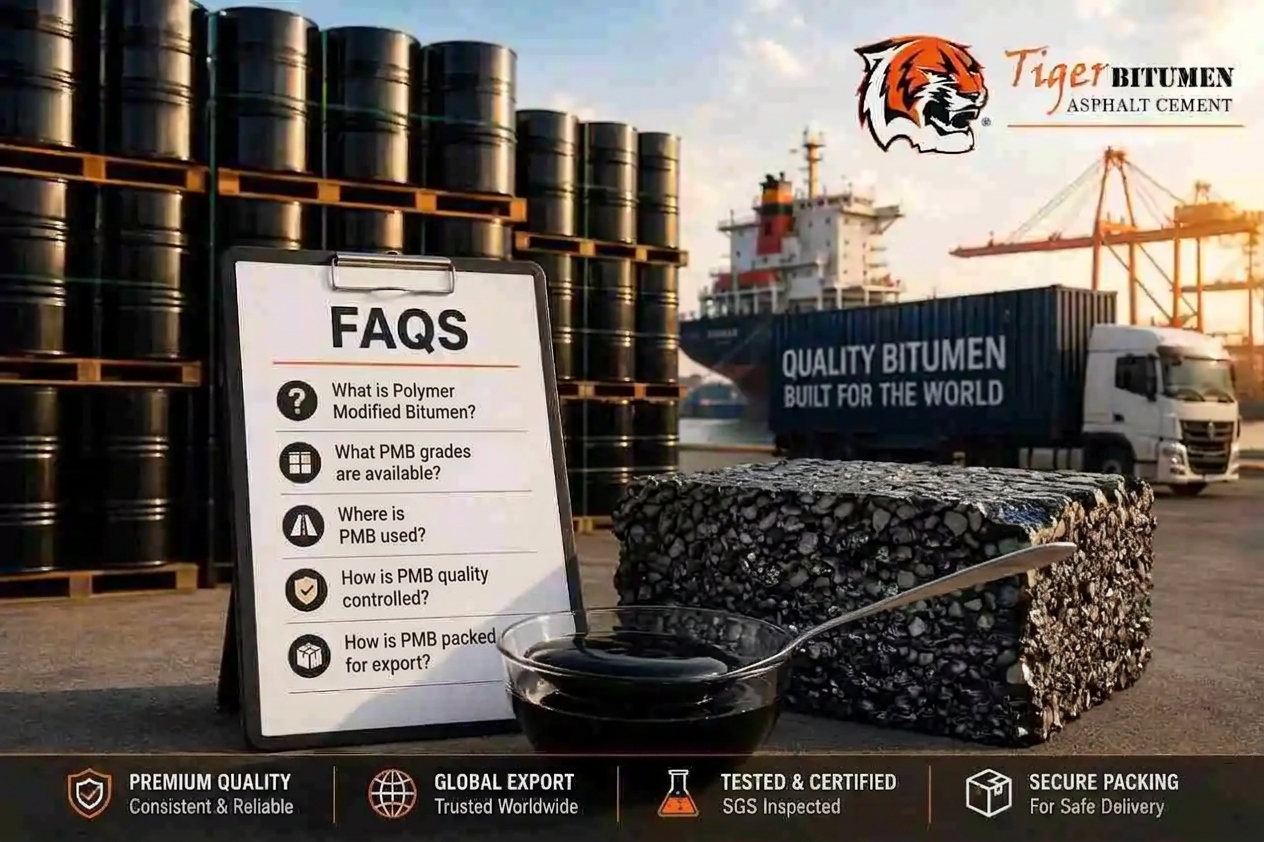
No. TurkeyBitumen.com is operated by Tiger Bitumen and HY International Group. We supply international buyers with Turkey-related requirements from our export facilities in Karachi Free Zone, Pakistan, and Ajman, UAE.
PMB 10/40, 25/55, 45/80, 40/100, 65/105, 75/130, 90/150, 120/200 and 200/300. Availability for a specific range and quantity is confirmed per enquiry.
We quote against EN 14023, TS EN 14023 or your project specification. Conformity for a specific consignment is confirmed through the TDS, the batch COA and any inspection agreed for that order.
No. They are separate classification systems, and a PMB range does not automatically correspond to a PG grade. We quote against whichever system your specification uses.
Yes. SGS or Bureau Veritas inspection can be arranged on request, or you can appoint your own inspector.
The PMB range and specification, quantity, destination port, preferred Incoterm, and any packaging or inspection requirements.
Yes. Send the specification you currently buy against, and we will quote on the same technical basis so the comparison is like for like.
Request a Polymer Modified Bitumen Quotation
Tell us what your project requires and our export team will respond with a quotation and the supporting technical documentation. To help us quote accurately, include:
- PMB range and full specification or class requirements
- Quantity
- Destination port
- Preferred Incoterm (FOB, CFR or CIF)
- Packaging preference, if any
- Inspection requirements
If you are comparing against a current Turkish supply arrangement, share the specification you buy against and we will quote on the same basis.
Visit: www.TigerBitumen.com